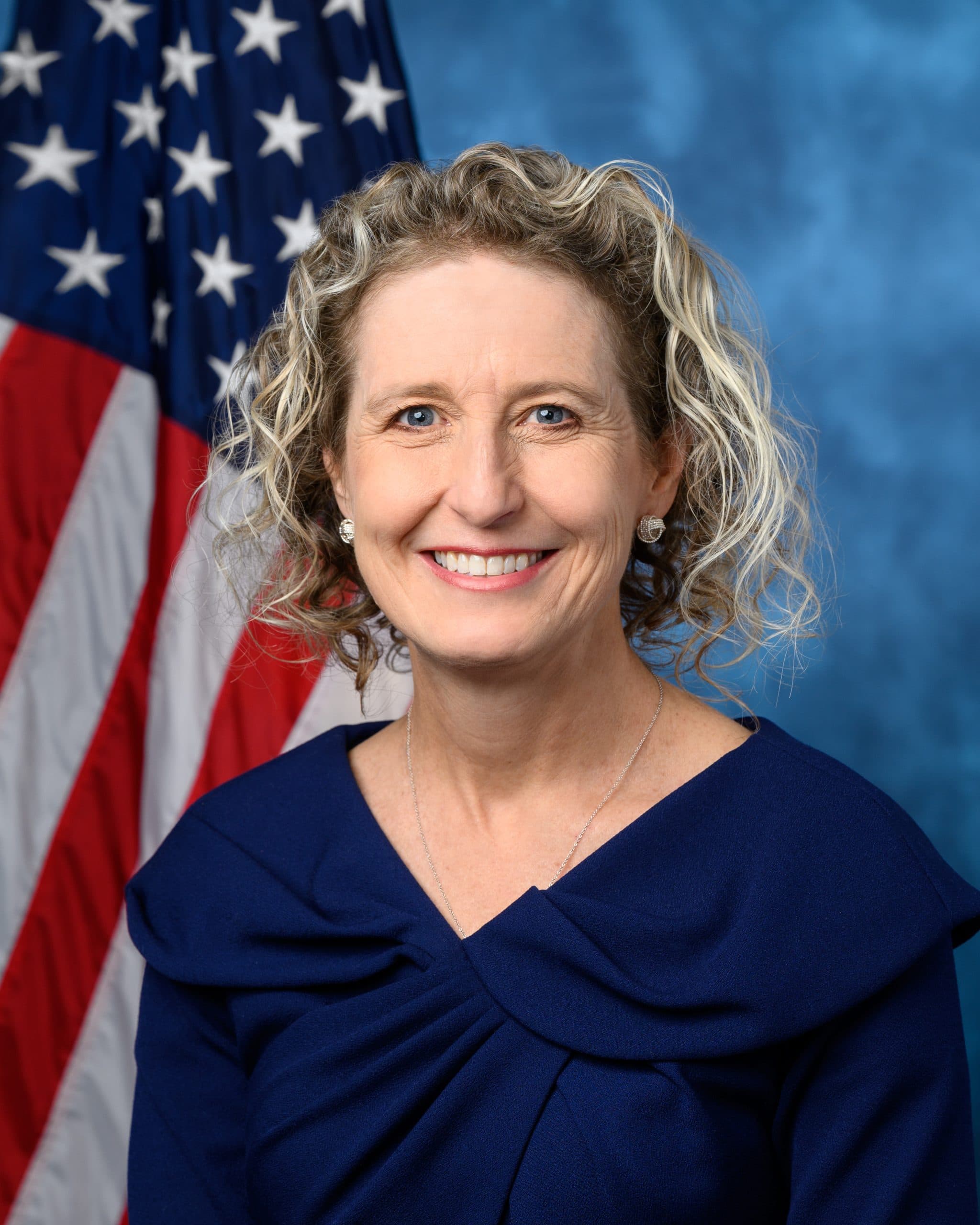
Kate Zabriskie
Democrat
About
Meet Kate
I was born in Charlottesville, and my family has called Virginia home since before it was the Commonwealth. Along with that sense of place came a steady sense of duty. Someone in my family has worn the uniform in every era since our country began. I spent most of my childhood at West Point — a Virginia transplant and a temporary New Yorker — and what truly rooted me was Duty, Honor, and Country. Those three words were the quiet backdrop of my childhood. I didn’t see it at the time, but now I know how much they shape how I view service and make decisions. They remind me that showing up when it’s hard, doing what’s right, and putting country above quick wins are what matter most.
After College
After college, no one handed me a plan — I made one. I learned how to learn fast: first in the defense industry, then in trade publications across several fields, and then at the University of Texas at Austin, where I earned my MBA. From there, I joined Andersen Consulting, then moved to the Franklin Mint, where I negotiated licensing deals that blended my business and art history backgrounds. Teaching negotiation for the American Management Association opened the door to what became my life’s work: helping other people do theirs better.
Positions
Fix Broadband and Infrastructure
The Fifth can’t compete on yesterday’s connections. Families, farms, and businesses need modern systems that match the pace of their work and the scale of their ambitions. Broadband and rail are not extras. They decide whether families stay, students succeed, and local farms and small businesses keep up. Reliable internet lets kids do homework at the kitchen table instead of sitting in a fast-food parking lot just to get a signal. It helps farmers use precision equipment, real-time data, and smart tools to stay competitive and keep more profit here. It keeps local stores and small businesses running credit cards, reaching online customers, and standing a fair chance against bigger competitors.
Improve Local Healthcare Access
Good healthcare should not depend on your zip code or whether you get every form right. Too many people in the Fifth already drive an hour or more for a check-up or get stuck battling paperwork while they wait for care. Now, new cuts and work requirements make it even easier for some families to lose coverage and harder for small hospitals and clinics to stay open. If we want people to build a life here, to raise families, work, and grow old with dignity, they need care that stays local, stays open, and makes sense.
Fortify Small Businesses and Farming
Family farms and small businesses keep the Fifth working. Virginia agriculture brings in over eighty billion dollars and supports hundreds of thousands of jobs. Most farms here are family-run, producing cattle, poultry, hay, timber, fruit, flowers, and specialty crops. Local brands like Virginia Grown and Virginia Verified Beef show how strong our communities are when more profit stays close to home instead of landing in the pockets of big corporations. But too many local producers lose time and money dealing with delays, permits, inspections, and relief that comes too late, if it comes at all. When local processors are backlogged or shut out, farmers often have to send livestock and crops out of state just to reach buyers. Shortages of large animal vets add cost and risk. We need clear, simple rules, more local options for processing, and insurance and disaster aid that match how our farms really work instead of what Washington thinks they should look like.
Train the Skills for Tomorrow’s Jobs
Community colleges and schools are already doing important work. Faculty and staff give people the training they need to contribute in healthcare, manufacturing, agriculture, logistics, and the trades. Their efforts keep industries moving and families rooted. The challenge is that employer demand keeps growing, and people need more ways to prepare for those jobs without leaving their communities. Opportunities in fields like advanced manufacturing, equipment operation, farming, healthcare, and technical services are expanding, but training is not always within reach. Too often, students and working adults run into barriers—whether it’s cost, distance, or limited course availability. Without clear paths to training, people can end up in jobs that don’t provide a way forward.